Key property checks after a storm passes
When the wind drops and the rain eases, it is tempting to think the danger has passed. In truth, the minutes and hours after a storm are when many property hazards become visible. High winds do more than toss around garden furniture. They can weaken structures, shift the ground, and damage trees in ways that are not obvious at first glance. Knowing what to look for can help you avoid costly repairs and keep everyone on the property safe.
This article covers the main risks to check after high winds move through your area. The focus is on storm damaged trees, because trees are often the most unpredictable part of a property after a storm. A tree that looks fine from the living room window may have hidden cracks in its trunk or roots that have started to lift. Working through a short checklist can give you confidence that you have caught the problems that matter.
Start with a visual scan from a safe distance
Before you walk around the property, take a moment to look from a window or doorway. Scan the roofline, the garden, and any large trees. If you see a tree that is leaning, has a broken crown, or is resting on a power line, do not go near it. Fallen power lines can energise the ground around them, and a tree that is partly down can shift without warning. Call the utility company and a qualified arborist before you do anything else.
If nothing looks immediately dangerous, you can step outside. Keep your eyes up as you walk. Look for branches that are hanging by a strip of bark, known as hang-ups. These can fall hours or days later, especially if the wind picks up again. Also watch for cracks in the main trunk or at the base of the tree. A vertical crack that runs deep into the wood is a sign that the tree may split in the next storm, or even under its own weight.
Check the ground around trees
High winds put enormous leverage on a tree's root system. A tree that has rocked in the wind may have torn roots, even if the trunk looks straight. Look for soil that is lifted or cracked around the base. A mound of earth on one side and a depression on the other suggests the roots have moved. This condition is called root plate lifting. A tree with a lifted root plate is unstable and can fall without further warning.
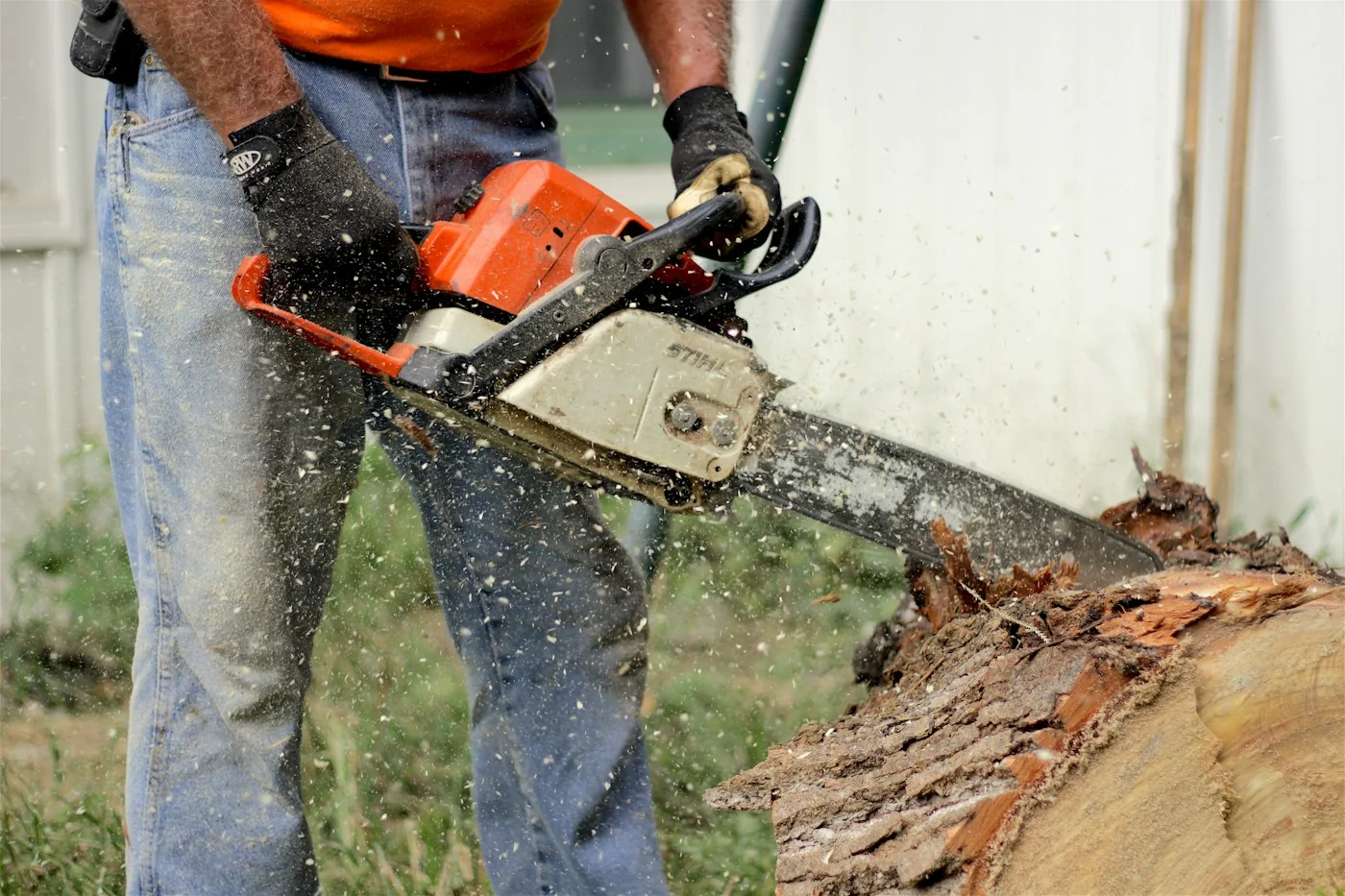
Also check for exposed roots. If the wind has stripped away soil, the roots may dry out or become damaged by mowers and foot traffic. A tree with significant root loss will struggle to stay upright in future storms. In some cases, the damage is not visible above ground. A qualified arborist can assess root health by looking at the canopy and trunk movement, but for a quick check, focus on the soil surface.
Look for cracks and splits in branches
Branches can crack in high winds even when the trunk remains sound. A crack that runs along the length of a branch, parallel to the grain, is called a split. Splits often happen where a branch forks. The fork is a natural weak point because the bark grows inward, creating a joint that can trap moisture and decay. When wind forces the two sides of the fork apart, the wood can split open. A split that reaches into the trunk is more serious and may mean the whole tree is at risk.
Small cracks may not be urgent, but they weaken the branch over time. If the branch is above a driveway, a path, or a seating area, it is worth having it removed before the next storm. A professional can cable or brace a valuable tree, but most suburban trees are better off with the damaged limb removed.
Inspect the canopy for missing leaves and bark damage
A healthy tree sheds leaves in its own season. If you see a patch of bare branches in the middle of summer, that area may have been damaged by the wind. The leaves may have been torn off, or the branch may be broken internally. Bark that is stripped away or hanging loose is another sign of impact. Wind can whip branches against each other, rubbing off the bark and exposing the wood underneath. Exposed wood is an entry point for insects and disease.
If the bark damage is on the trunk and wraps more than a quarter of the way around, the tree may not survive. The damaged area will not be able to transport water and nutrients past the wound. In that case, removal is often the only practical option. For smaller areas of bark loss, the tree can usually heal on its own, but keep an eye on it for signs of decay over the next year.
Assess the risk from dead or dying trees
A storm can finish off a tree that was already struggling. Dead trees, or trees with large dead limbs, are more likely to shed branches in high winds. After a storm, check for limbs that have no leaves while the rest of the tree is still green. Dead limbs are brittle and can fall without warning, even in calm weather. If a dead limb is over a building or a frequently used area, it should be removed as soon as possible.
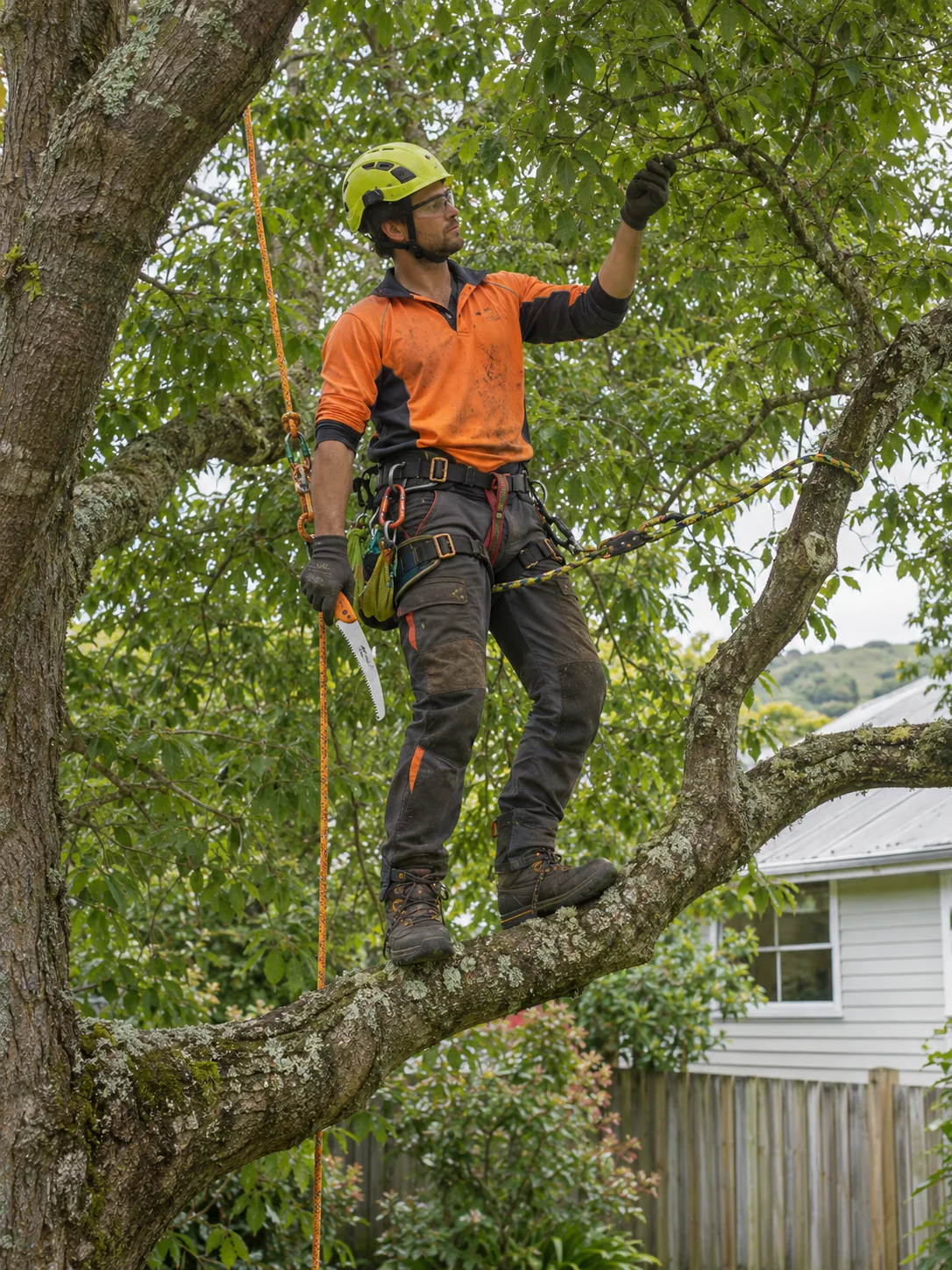
Whole dead trees are a serious hazard. They dry out and become lighter, so wind can push them over more easily. If a dead tree is within falling distance of your house, your neighbour's property, or a power line, it is best to have it taken down. A professional arborist can do this safely, often in sections, to avoid damage to the surrounding area.
Check your roof and gutters
Storm damaged trees often shed branches and leaves onto the roof. A pile of wet leaves in a gutter can block the downpipe, causing water to back up and seep under the roof tiles. Branches that land on the roof can crack tiles or dislodge flashings. After the wind dies down, check the roof from the ground with binoculars. Look for missing or lifted tiles, bent flashing, and debris in the gutters. If you see damage, call a roofer to inspect it from above. Do not climb onto the roof yourself, especially if it is wet or if there are loose tiles.
Also check the areas around vents and chimneys. A branch that hits a chimney can loosen the mortar or crack the flue liner. A cracked flue liner can let smoke or carbon monoxide into the house. If you use a fireplace or wood burner, have the chimney inspected after a storm if you suspect it has been hit.
Look at fences and outbuildings
Fences take a beating in high winds. A fallen tree or branch can knock over a section of fence, but even if nothing hits it, the wind itself can loosen posts and panels. After a storm, walk the fence line. Look for posts that are leaning, panels that are loose, and rails that have snapped. A fence that is damaged can let animals in or out and can reduce privacy. It can also become a hazard if a panel falls onto a path or into a neighbour's yard.
Sheds, garden offices, and other small buildings are also vulnerable. Check the roof for lifted felt or missing tiles. Look at the walls for signs of movement. If a building has shifted on its foundation, the doors and windows may not close properly. That is a sign that the structure has moved and may need to be re-anchored or repaired.
Watch for hidden damage to underground services
A tree that has rocked in the wind can pull on underground pipes and cables. If you have a septic system or a buried water line near a large tree, check for signs of a leak. Wet patches on the lawn, a sudden drop in water pressure, or a sewage smell are all indicators that a pipe may have been damaged. Similarly, if you notice that your internet or power flickers after a storm, the underground cable may have been stretched or crushed by root movement. These issues are best handled by the relevant utility company or a licensed contractor.
When to call a professional
Some storm damage is obvious, like a tree that has fallen across the driveway. Other damage is subtle and needs an expert eye. If you have any doubt about the safety of a tree on your property, it is worth having it inspected by an arborist. A professional can climb the tree, check for internal decay, and test the stability of the root system. They can also remove dangerous limbs or whole trees without putting anyone at risk.
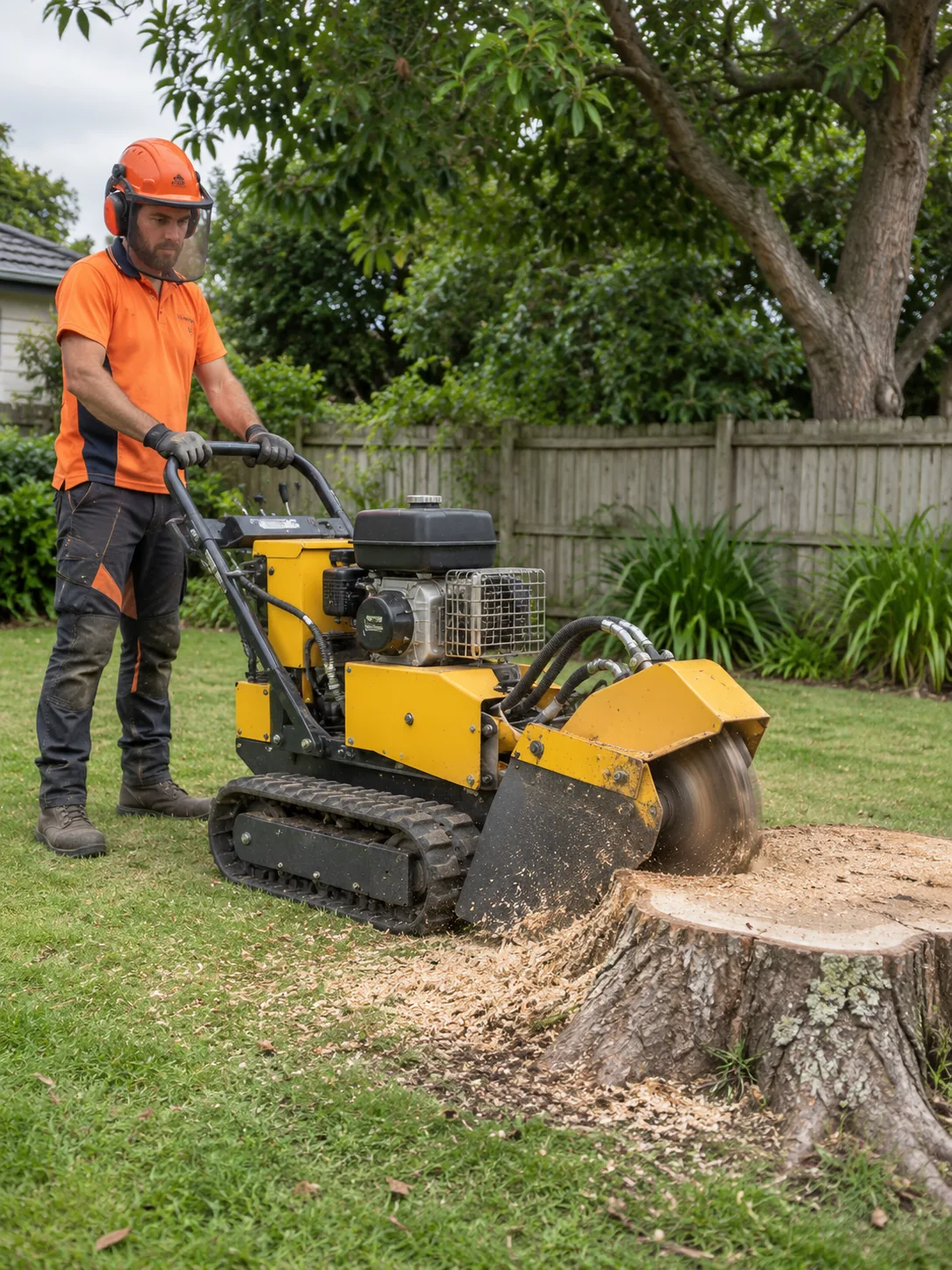
For property owners in the Gisborne area, Tree Removal Gisborne offers local expertise in storm damage assessment and tree care. Their team understands the local climate and the types of trees common to the region, which helps them spot issues that a generalist might miss. If you have storm damaged trees on your property, calling in a specialist gives you peace of mind and helps you avoid the cost and danger of a tree falling later.
After a storm, it is natural to want to get things back to normal quickly. But rushing through a property check can lead to missed hazards. Take your time, work through each area methodically, and do not hesitate to call a professional for anything that looks uncertain. A thorough check now can save you from a much bigger problem down the track.
Remember that storm damage is not always visible from the ground. A tree that looks fine today may have a crack that will open in the next wind. Regular inspections, especially after severe weather, are the best way to keep your property safe. And if you are unsure about a tree, ask someone who does this work every day. Services like Tree Removal Gisborne can help you assess the situation and plan the right response. A small investment in an inspection is far cheaper than repairing a house after a tree goes through the roof.
Tree Removal Gisborne on social media
 Facebook